
We’re ready to buy
Sell My Polestar Online for Cash!
Sell your Polestar online for more today! CarZilo is a top Polestar buyer in California, ready to buy your car and provide you with the highest possible market value for your electric vehicle. Just complete our short form and receive a fast custom offer!
Get Your Custom Offer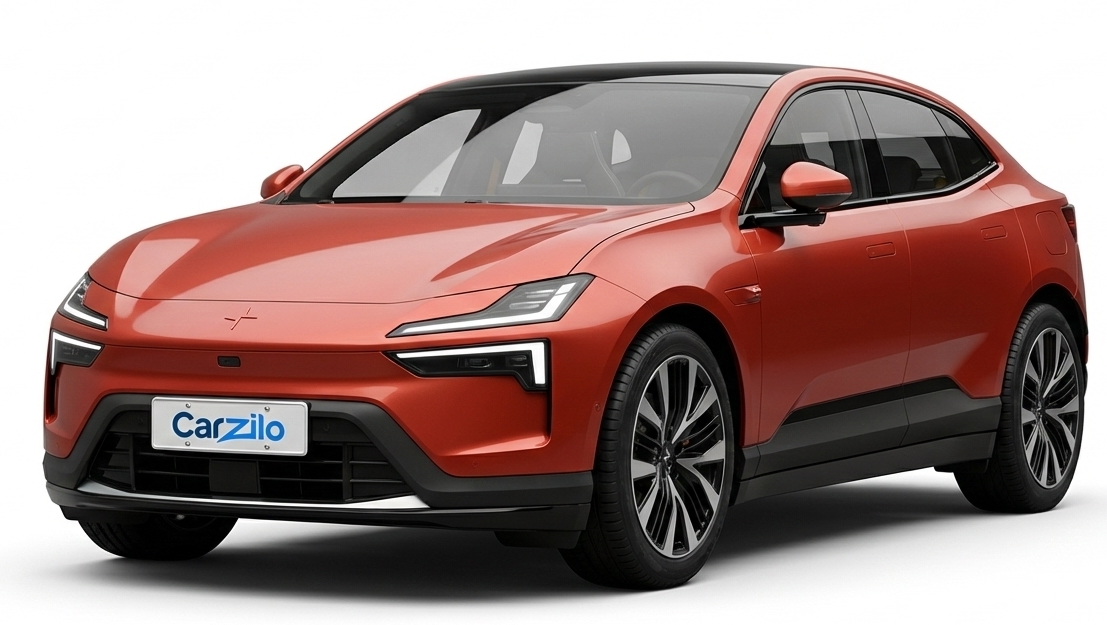
SELL YOUR Polestar FOR TOP MARKET VALUE!
Polestar holds real weight in California’s premium EV crowd, and the right spec still draws serious money. Buyers in Los Angeles, San Francisco, and San Diego know the brand isn’t mass-market-and they pay attention to what you’re actually selling. CarZilo prices your Polestar 2, Polestar 3, or Polestar 4 off live demand, not lazy averages. Features like Pilot Assist, vegan interiors, and stronger performance setups aren’t fluff here-they’re value signals.
SELL YOUR Polestar FAST AND FOR MORE!
You can move a Polestar quickly in California without playing the private-sale circus. The EV audience is deep, informed, and tired of wasting time (same as you). CarZilo’s offer process considers condition, trim, and real regional appetite for models like the Polestar 2 Long Range Dual Motor, Polestar 3 Performance Pack, and Polestar 4. No tire-kickers. No awkward test drives. No payment roulette.
SELL YOUR Polestar FOR A FAIR PRICE!
A fair price also means a clean exit-especially with the California DMV in the mix. CarZilo handles title transfer, release of liability, and the paperwork that usually turns into a weekend-killer. You get a written offer before handoff and secure payment options. We also keep EV-specific details tidy, including any relevant battery or charging gear documentation, so the sale ends when it should. Right there.
Sell Smart and Maximize Your Return
Get Top Cash for Your Polestar in California
Polestar owners in California sit in a better-than-average selling spot because the state actually has enough EV buyers who understand what they’re shopping for. Between the charging buildout, the culture shift toward electrification, and a steady flow of tech-forward commuters, you’re not explaining the concept of a premium EV from scratch (which is half the battle anywhere else). That’s why California remains one of the best places to sell my Polestar without getting lowballed by someone who just discovered the brand yesterday.
Polestar’s appeal here isn’t a mystery. The design is clean, the performance is real, and the vibe lands nicely in a market that’s tired of look-alike crossovers. If your car is cared for and presented correctly, you’re speaking to buyers who want something sharper than mainstream options but don’t want the ego tax that often comes with traditional luxury badges.
Highlighting Your Polestar’s Best Features
Your fastest path to stronger offers is to lead with what makes Polestar feel different, not just what makes it electric. Performance specs and electric efficiency matter, but the message should be simple: your Polestar 2 is quick, planted, and tuned like someone remembered drivers still exist. The Polestar 3 pushes that idea further with more muscle, a more confident road presence, and the kind of polished control that feels right on California freeways and broken city streets.
Battery and charging confidence are the next pressure point. Buyers here live in traffic and plan around errands, not ideal test conditions. So frame your car as a no-drama daily tool: strong real-world range behavior, solid fast-charging capability, and predictable performance whether they’re grinding through the 101 or heading out for a weekend escape. Keep it grounded. Nobody wants a sales pitch; they want proof you’ve lived with the car and it hasn’t been a headache.
Tech and cabin details can quietly swing the deal. Mention the Google-integrated interface and over-the-air updates because that signals the car hasn’t been left behind. If you’ve got premium audio, upgraded materials, or a well-kept interior, call that out clearly. Performance Pack hardware, adaptive suspension tuning, and upgraded brakes also help justify a stronger number because serious buyers already know what those options cost and how hard they are to find in clean condition.
Addressing Common Polestar Buyer Concerns
You’ll get better results if you treat buyer skepticism like a checklist, not an argument. Reliability and software stability are real concerns in the Polestar world, especially for shoppers who’ve heard about infotainment hiccups or the occasional electrical gremlin. Don’t dodge it. Show that you’ve updated the software, handled issues promptly, and kept everything documented. That turns a potential objection into a credibility flex.
Service records are your leverage. A tidy paper trail tells buyers this car wasn’t an experiment you got bored of. If your Polestar still has factory coverage remaining, say so in plain language and emphasize the long-term EV component protection that typically matters most. Pair that with a recent battery health report and you’ll remove a lot of the anxiety that makes buyers start negotiating with their imagination.
Depreciation talk doesn’t have to hurt you if you frame it right. Polestar values can drop quickly early on, like most premium EVs, and some shoppers will use that as a pressure tactic. Your counter is simple: this is a high-end car that’s already absorbed the early-market shock, which makes it a smarter buy now than when it was new. For a buyer who wants premium performance without the new-car burn, that’s a compelling argument.
Timing the Sale of Your Polestar
Timing matters in California because buyer behavior here is seasonal and trend-driven. The strongest window usually shows up when people are feeling flush, energized, and ready to upgrade-think the months when budgets loosen and the weather stops punishing everyone. You’ll see more engaged shoppers, fewer flaky messages, and a market that moves faster.
There’s often another good pocket later in the year before winter shifts priorities and people start channeling money into holidays instead of cars. Northern California buyers in particular tend to get more practical as the rainy season approaches, which can help well-presented vehicles move decisively.
What you should avoid is the noise right after big new-model announcements or aggressive new-car incentive waves. When shiny-new deals flood the conversation, used listings can get temporarily ignored. The play is to step slightly to the side of that hype cycle and list when buyers are back to comparing real options, not chasing the newest press release.
If you want the cleanest exit, treat this like a business move. Present the car honestly, document everything, and sell when the market is hungry-not when it’s distracted.
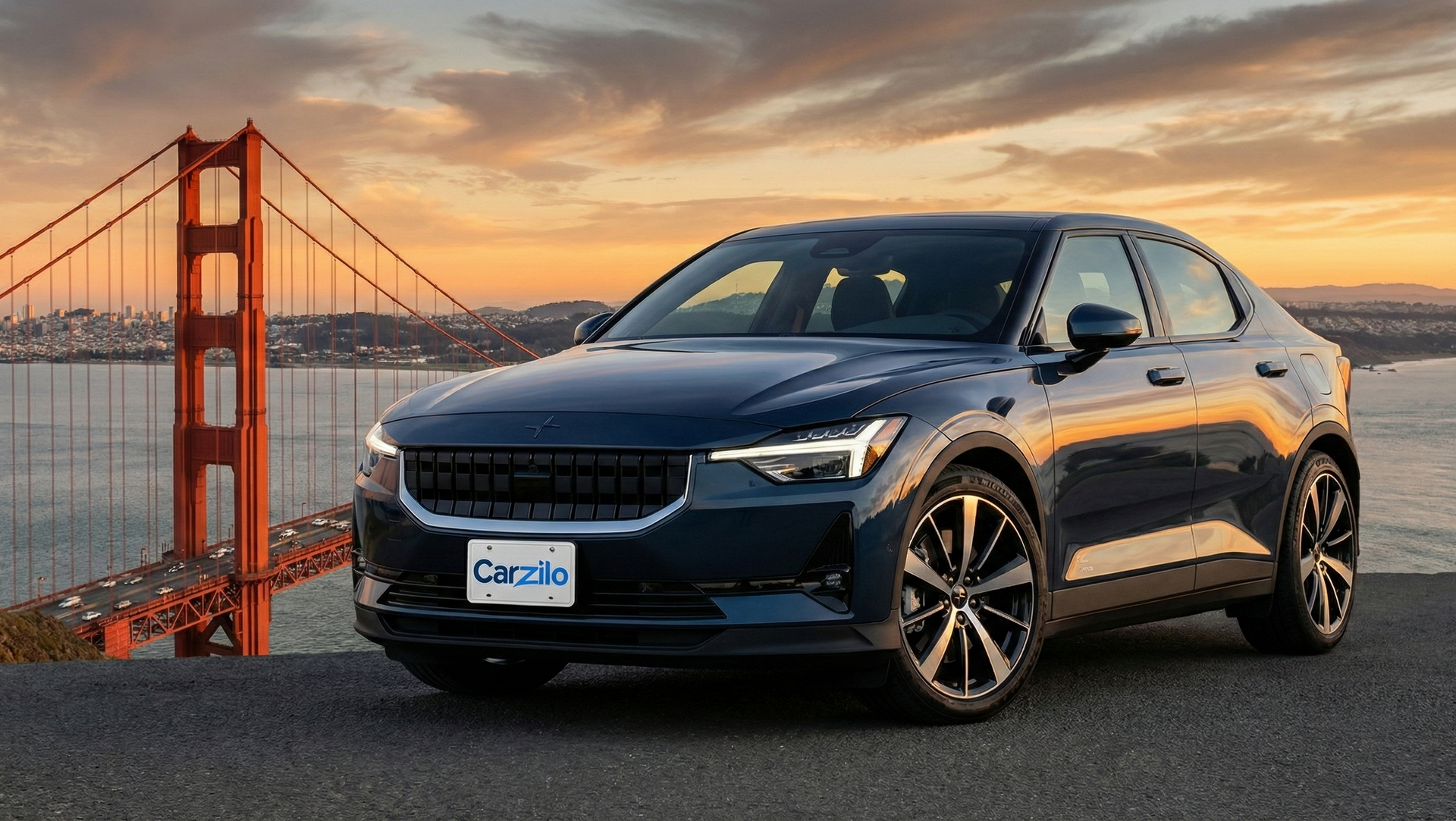
Ready to sell your vehicle?
HOW TO SELL MY Polestar FAST

Tell Us About Your Polestar Car
Provide basic information, year, make and model…
Receive a Custom Offer
Get a customized offer for your vehicle.
Get Paid on The Spot
Just sign a few forms and get paid instantly.
Unlock Your Car’s True Value
How to Accurately Value Your Polestar in California
You’ll get the most accurate number on your Polestar in California when you combine smart guides with real local offers. Pricing tools like Edmunds, Kelley Blue Book, and iSeeCars give you a useful starting range based on broad transaction patterns, but they’re not the finish line. Think of them as the map, not the GPS voice telling you exactly where to turn.
The real market answer comes from comparing live bids in your zip code. If you’re typing “Sell my Polestar” today, your best move is to grab a baseline from the big-name guides, then stack it against multiple Instant Offer quotes from EV-aware buyers. That’s how you see what your VIN, trim, options, and condition actually pull in the current California vibe.
This approach helps you choose your exit strategy without guessing. You’ll see whether a fast, no-hassle sale is close enough to your private-party target to be worth skipping the time sink. Because in California, the cost of a “maybe higher” private sale is often measured in weekends, traffic, and questionable meetups.
How Mileage Impacts Polestar’s Resale Value
Mileage still matters, even in an EV-friendly state. Higher use can drag down both trade-in value and Private Party interest, especially if the car looks like it lived a hard commute life without a paper trail to back it up.
The fix isn’t arguing about the odometer-it’s proving you cared for the car. In California, where long freeway runs are normal and stop-and-go is basically a lifestyle, buyers want evidence that the basics were handled. Tires. Brakes. Regular service checks. Clean inspections. Small details, but they add credibility fast.
A well-documented Polestar can stay competitive even with heavier use. That’s especially true when your records show steady maintenance and a stable ownership story. Buyers will pay for confidence. They won’t pay for mystery.
How to Obtain an EV-Specific Valuation
A true EV valuation looks at battery confidence and software history, not just body panels and mileage. Too many generic appraisal engines still treat EVs like silent gas cars. That’s how you end up with a number that feels disconnected from what informed California buyers actually care about.
Polestar valuations can swing based on the exact model and configuration. The rarity-oriented Polestar 1 lives in a different universe than the daily-driver Polestar 2, and the newer SUV entries pull in buyers who shop the brand for luxury as much as performance. Your trim, drivetrain, and option package matter. A lot.
The strongest appraisals also reflect your ownership discipline. Charging habits that don’t look reckless. A clean OTA update history. Warranty clarity. If you can provide a recent battery health report, even better. It doesn’t need to read like a lab report-just enough to remove doubt.
When you’re ready to accept an offer, this is where California buyers reward you. They’re not just comparing your car to “another Polestar.” They’re comparing it to the best-kept, best-documented alternative they can find within a short drive.
Current Market Trends for Polestar Vehicles
Polestar values are moving with the broader EV market, which has cooled from its earlier frenzy. That doesn’t mean demand disappeared. It means buyers are more price-aware and less romantic about badges.
California still gives Polestar an advantage because the buyer pool is deeper and more educated. High gas prices, strong EV adoption, and a steady stream of tech-forward shoppers keep the brand relevant. But the market is also crowded, and new-car incentives can temporarily pull attention away from used listings.
Expect the steepest value pressure early in the ownership cycle. That’s typical for premium EVs, especially when manufacturers adjust pricing or roll out aggressive deals. The upside for you as a seller is that a clean, well-optioned car with solid documentation can still stand out in a sea of anonymous listings.
Your leverage comes from knowing your range and controlling the narrative. Use the guides to set your baseline, use Instant Offer quotes to verify reality, and decide whether the extra private-party effort is actually worth the hassle. In California, time is money-and the DMV isn’t exactly known for mercy.
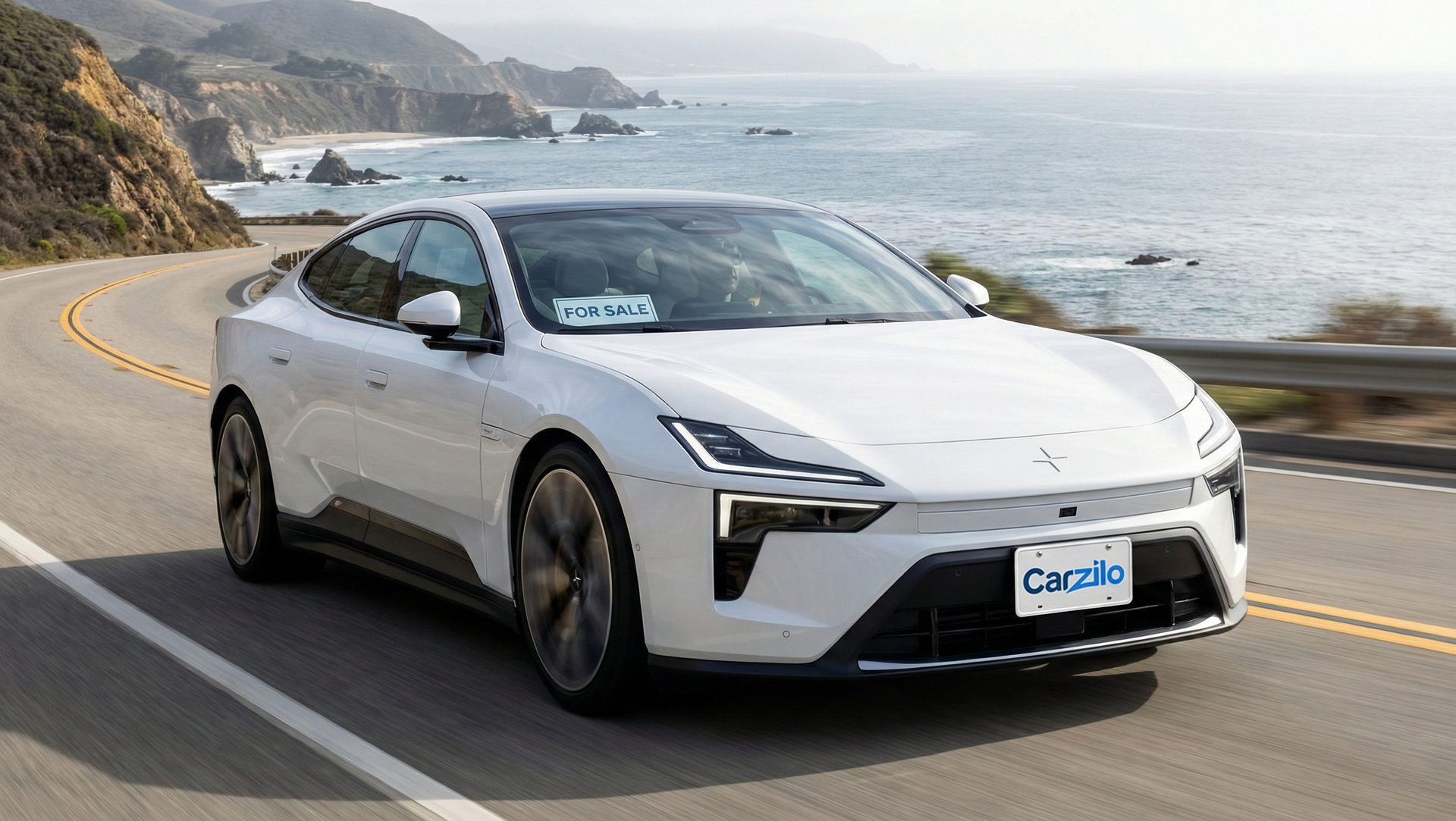
BETER OFFERS ARE ON THE WAY!
Don’t Settle For Less!
Upload your existing competitor’s offer now and CarZilo aim to BEAT IT BY A LARGE MARGIN. Why settle when you can earn more?
upload now
Boost Your Polestar’s Value Before Selling
Boost Your Polestar’s Value Before Selling
Getting the best “Sell my Polestar” outcome in California is more about proof than polish. A clean exterior helps, but buyers here want verifiable battery care and software that’s current and stable. This is a tech market with a car habit, and people will judge your digital paper trail almost as hard as your paint.
Your service and charging story should feel boring in the best way. A Polestar 2 with documented Over-the-Air (OTA) updates and a transparent charging history tends to land at the top of the Fair Market Range. It separates your car from the anonymous off-lease units that get shuffled through auctions with minimal context and maximum skepticism.
Private listings can look tempting until you’re stuck playing unpaid EV professor. A Private Party sale might promise more upside on paper, but the real-world friction is brutal. You’ll spend time explaining the car’s value arc, battery care, and software quirks to people who may still ghost you after a test drive (as if you have time for that). In many cases, a verified Instant Offer wins because it turns your Polestar into a fast, low-drama exit instead of a weekend project.
Get your California paperwork squared away before you do anything else. Have your Pink Slip ready, confirm all digital keys are present, and keep your records easy to share. The DMV doesn’t care that you’re busy, and neither does the buyer who wants a clean, quick transfer.
Cost-Effective Upgrades Before Selling
Small cosmetic fixes usually beat big spend “prep” that buyers won’t reward. Strategic touch-ups to the piano-black interior trim and alloy wheels can lift confidence fast without lighting money on fire. Polestar shoppers are design-sensitive; visible wear on high-touch areas reads like neglect and drags your Trade-in value down immediately.
- Highlight Performance Software: If you added the Polestar Performance Software upgrade, track down the window sticker or digital receipt. It’s a transferable boost buyers recognize. Real performance credibility, not just a badge.
- Restore Gloss Black Trim: The center console’s high-gloss surfaces scratch if you look at them wrong. A basic plastic polish can clean up the swirls and bring back the premium feel without paying for a full detail. Quick win.
- Curb Rash Repair: Polestar’s stance and wheel design are part of the identity. Light professional resurfacing removes an easy negotiation hook and keeps the car from looking like it spent its life dodging LA potholes.
- Verify the “Activity Key”: Your Polestar may have come with a waterproof, button-less key tag. These are annoying to replace and a common missing item. Confirming it’s present and functional signals the car is complete, not pieced together.
- Update System Software: Before listing, make sure the infotainment is running the latest available OTA build. A current version shows active ownership and reduces the odds a buyer walks away because they’ve heard horror stories about older bugs.
The main idea is simple: remove excuses. Buyers will always try to find a soft spot to negotiate against. Tighten up the details, document the tech history, and your Polestar stops being “a nice EV” and starts being the easy yes.
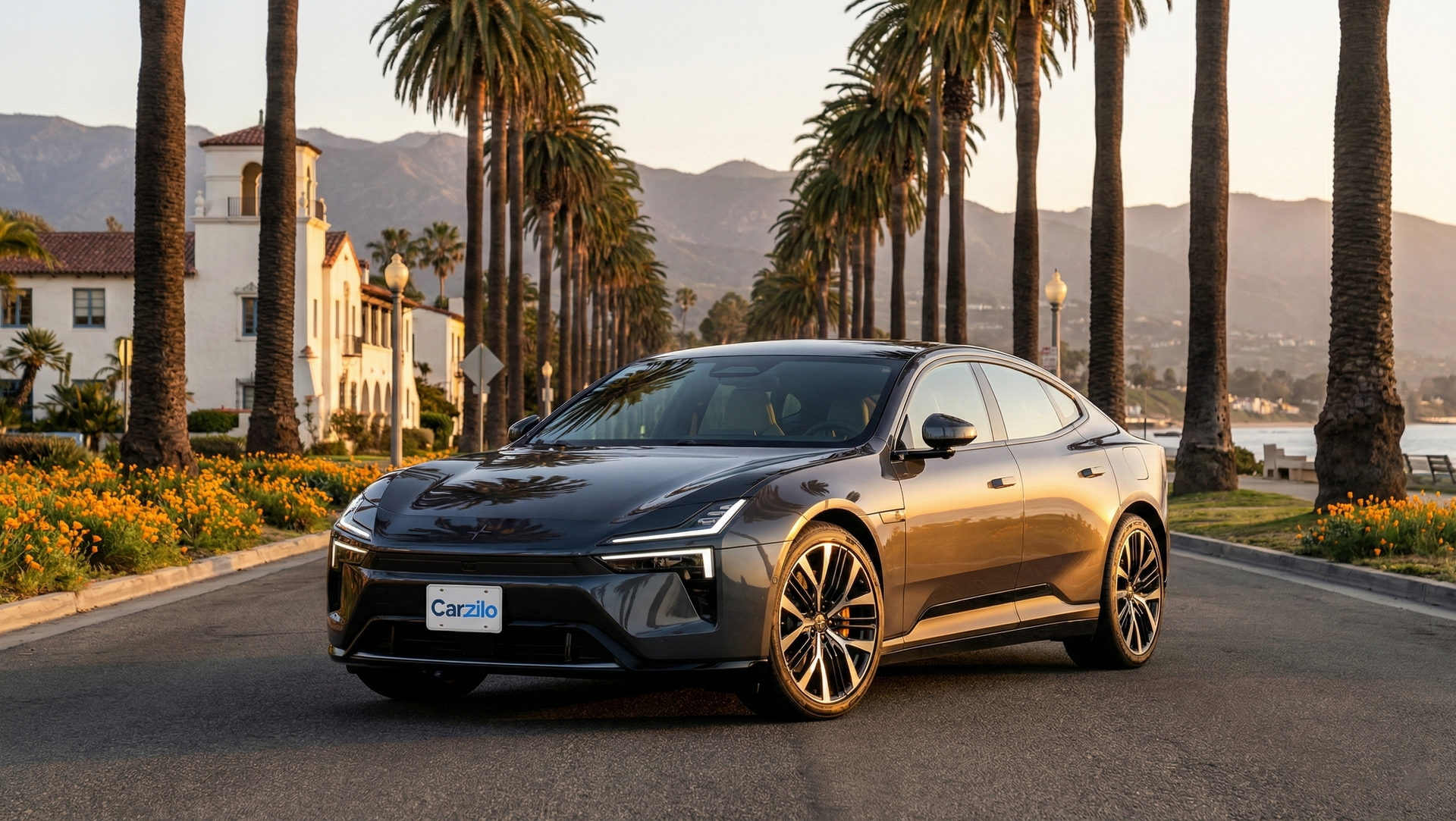
Essential Steps to Prepare Your Polestar for Sale in California
Prepping your Polestar the right way makes buyers move faster and argue less. In California, especially in EV-heavy pockets like the Bay Area and Los Angeles, sellers who show up with clean presentation, clean paperwork, and a believable service story tend to land stronger outcomes than owners who wing it and hope the badge does the work.
The market here rewards competence, not wishful thinking. Before you compare Instant Offer tools, weigh trade-in value against Private Party options, or start hammering “Sell my Polestar” searches, build the foundation. That means documents first, cosmetic reality second, and EV-specific credibility (battery health, charging gear, software history) third. In this state, those three are tied together. Miss one and somebody will use it to grind you down.
Essential Documents Needed
Your document stack decides whether the sale feels easy or turns into a DMV stress test. California requires a properly assigned vehicle title (Pink Slip) and supporting forms to complete a sale. EV ownership transfers can be simpler than gas cars because fully electric models are generally treated differently from smog-required vehicles, so you’re not usually juggling the same emissions paperwork. That’s a small mercy.
Bring more proof than you think you need. With EVs, buyers want to see maintenance and battery care spelled out, not implied. A tidy folder of records doesn’t just speed up the handoff; it quiets the “what are you hiding?” energy.
Key documents to have ready:
- Original California title (Pink Slip) in your name, signed correctly. No creative penmanship.
- Bill of Sale with the basics. Even if the title covers it, many buyers want a clean record.
- Odometer disclosure if it applies to your vehicle’s age and California rules. Don’t guess.
- Notice of Transfer and Release of Liability filed promptly after the sale. This is your shield.
- Smog certificate only if the DMV or buyer specifically requests it. Fully electric cars are generally exempt, so don’t waste a day proving what the system already knows.
- Maintenance records and EV-specific documents. Service invoices, warranty work, software update history, and any battery health paperwork you can get.
- All keys and accessories. Fobs, cards, tag-style keys, charging cables, adapters, manuals. Missing items scream “shortcuts.”
Checklist for Preparing Your Car for Sale
A Polestar-specific prep routine keeps your value from leaking out in small, stupid ways. EV buyers in California compare listings like they’re scanning spec sheets for a job candidate. The cars that look complete and well-managed get the first calls. The rest get “Is your price flexible?” messages from people who want a bargain and a therapy session.
Battery confidence matters because it’s the heart of the deal. You don’t need to sell a fairy tale. You need to show the pack has been treated like a long-term asset, not a rental you kept forgetting to charge.
Use this practical preparation checklist:
- Deep clean inside and out. Wheels, glass, cargo spaces. The goal is “this owner had standards.”
- Clear out personal items.
Make it feel ready to hand over today. - Update software and clear warning messages. A glitchy screen at a test drive is an instant confidence killer.
- Sign out of your personal accounts and wipe paired devices. Protect your data and look like a pro.
- Charge to a sensible mid-range level for photos and test drives. You want buyers seeing calm, realistic range behavior, not a low-battery situation that triggers panic.
- Get a battery health report from a Polestar retailer or a reputable EV specialist if you can. Formal documentation beats verbal reassurance every time.
- Gather every charging item you plan to include. Cables, adapters, home equipment paperwork. Don’t force buyers to play scavenger hunt.
- Fix easy cosmetic stuff.
Wiper blades, minor scuffs, small chips, light wheel rash. Cheap fixes that remove easy negotiating ammo. - Take sharp, detailed photos. Exterior angles, interior, touchscreen, charging port, and the accessories laid out like you’re proving a point.
Common Mistakes to Avoid When Prepping Your Car for Sale
Most sellers don’t lose value in one big mistake-they lose it through lazy gaps. EV buyers in California have options. If your listing looks incomplete or messy, your Polestar gets compared to tighter listings and you end up defending your price instead of commanding it.
Mistakes to watch out for:
Pricing blind.
Not checking local trade-in value versus realistic Private Party expectations for similar Polestar trims in your region leaves you either underpriced or invisible.
Title confusion.
A lien that’s not clearly resolved can stall the sale when a buyer is ready to pay.
Sloppy DMV execution.
Missing fields, unclear signatures, or delaying the Release of Liability invites unnecessary drama.
Chasing a smog check you likely don’t need.
Fully electric vehicles are generally exempt, so don’t manufacture errands.
Skipping battery documentation.
Even confident buyers get cautious when the pack’s condition is presented like a mystery novel.
Misplacing charging gear.
If the cables and adapters aren’t there, buyers will assume you were careless in other areas too.
Leaving your digital footprint behind.
Saved addresses, synced accounts, personal data. It looks amateur and makes careful buyers uneasy.
Underplaying presentation.
Dirty photos, unresolved minor wear, and a vague description push your offers toward the bottom of the range-because that’s exactly where buyers will place you.
Bottom line: make your Polestar easy to trust. In California, the quickest path to a clean, strong exit is to remove doubt before the buyer even asks the question.
Insights for Sellers
Selling Your Polestar in California: Key Market Insights
California’s zero-emission push makes this one of the fastest, most competitive places to move a Polestar. That’s good news if you want a clean exit, but it also means you can’t list like you’re in a sleepy market and expect smart money to show up. A niche performance EV like the Polestar 2 or Polestar 3 sells best here when you understand how local buyers compare trims, features, and real-world usability.
The upside is real, but it’s not automatic. California is the epicenter of EV adoption, yet buyers are picky and spoiled for choice. They’ll reward a well-presented Polestar with the right spec and documentation-and punish a vague listing that looks like every other off-lease car with a quick wash and a hopeful price.
Regional Demand for Polestar Models
Used Polestars attract more consistent attention in California than in most parts of the country. Recent momentum and a buyer base that values performance with a clean conscience keep demand healthy, especially for cars that are spec’d like an enthusiast actually owned them. That’s the difference between a quick deal and a listing that lingers while you answer the same tired questions.
Northern California tends to be the brand’s strongest pocket. The Bay Area and the San Jose/Silicon Valley corridor lean into Polestar’s tech-forward image and its Volvo-adjacent credibility. Buyers up there often understand what they’re looking at, which means less explaining and fewer unserious “just curious” messages.
Southern California plays a different game. Los Angeles and Orange County move more volume, and shoppers routinely cross-shop Polestar against high-inventory rivals like the Tesla Model 3. Your edge in SoCal comes from clarity: clean condition, a confident spec, and a short, sharp listing that doesn’t sound like you’re trying to sell a concept car.
The “California Premium” shows up most for the right configurations. Models equipped with the Performance Pack and the Long Range Dual Motor setup typically align with what local drivers want-long freeway runs, weekend mountain routes, and enough punch to make traffic slightly less miserable. Standard Range Single Motor versions can be a tougher sell, not because they’re bad cars, but because range anxiety still lives rent-free in the brains of commuters who do long daily slogs across the state.
Quick reality check for local demand:
- Performance-focused trims tend to get the most serious calls.
- Standard specs can move, but the pitch has to be sharper.
Explain why your car makes sense for real California driving. - Range confidence matters more here than people admit.
California-Specific Regulations Affecting Polestar Sales
Selling an EV in California is usually easier on paperwork than selling a gas car. Fully electric vehicles are generally treated differently from smog-required vehicles, so you’re not dealing with the same emissions hassle. That saves time and keeps the handoff cleaner-one less reason to waste half a day bouncing between stations and the DMV.
Federal incentives still shape buyer psychology, even when you’re not the one using them. The Used Clean Vehicle Credit is structured around dealer purchases, not private-party deals. So a buyer shopping your Private Party listing may quietly compare it against a dealer car that comes with a potential tax advantage. Translation: some shoppers will expect you to bridge that gap in the price conversation.
Carpool access is no longer a reliable selling hook for older models. The Clean Air Vehicle (CAV) decal era has effectively wound down, so you can’t lean on HOV lane access as a value-add the way sellers used to. If your pitch depends on stickers, you’re already behind.
Comparing Polestar Resale Values in California vs. Other States
California typically gives Polestar sellers a modest edge, but you still have to compete like you mean it. Luxury EV depreciation can be sharp early and calmer later, and Polestar follows that pattern. The advantage in this state comes from consistent EV demand and the reality that high gas prices keep pushing buyers toward electric-especially when they want something more distinctive than the usual suspects.
The catch is supply. California also has more used EV inventory cycling through major metros, so your Polestar is always being measured against another one down the street. A clean, well-documented car can stand out quickly. A vague listing gets swallowed.
New-car incentive waves can tighten your window. When Polestar or major competitors roll out aggressive lease deals or pricing pushes, used buyers get distracted. Your best move is to price and present your car like you understand that reality. Because the buyer definitely does.
Bottom line: California is a great place to sell a Polestar if you respect the market. Lead with the right trim story, show your software and service history, and make the transaction easy. That’s how you turn local demand into a fast, fair exit instead of a long, annoying negotiation.
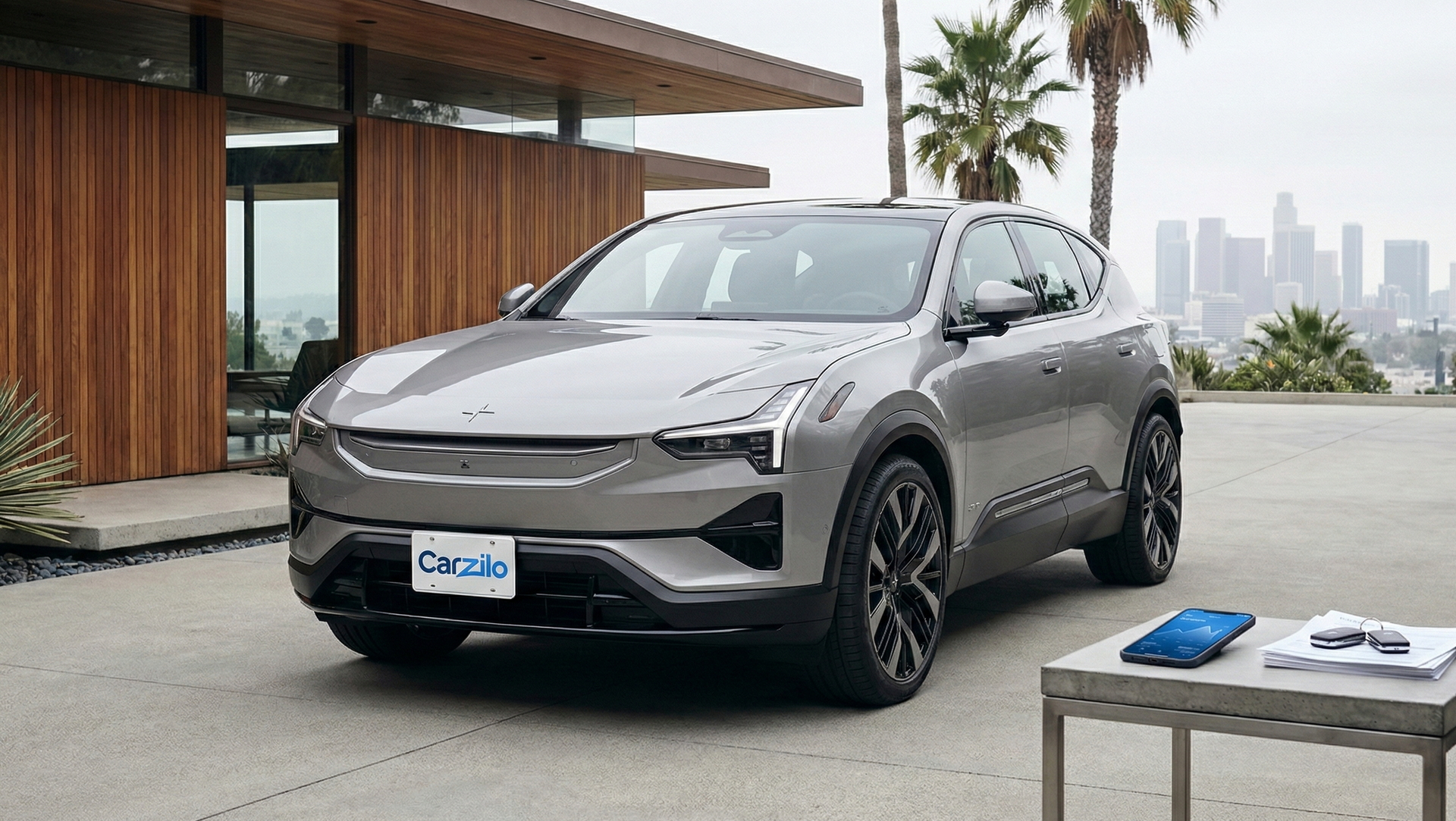
Explore the Polestar Lineup
Popular Polestar Models in California: A Detailed Breakdown
California is still the center of gravity for Polestar shoppers in North America. The buyer pool here is tech-literate, design-biased, and weirdly allergic to anything that feels mass-market. If you’re trying to sell my Polestar without wasting a month on flaky messages, you need to know where your car sits in the current pecking order of demand.
Your model and spec matter more in California than in most states. Buyers in Los Angeles and the Bay Area aren’t stumbling into Polestar by accident. Many are hunting specific battery updates, specific drivetrains, or U.S.-built variants tied to changing incentive rules. That knowledge shapes your instant offer and your private-party leverage, whether you like it or not.
Overview of Polestar’s Vehicle Lineup
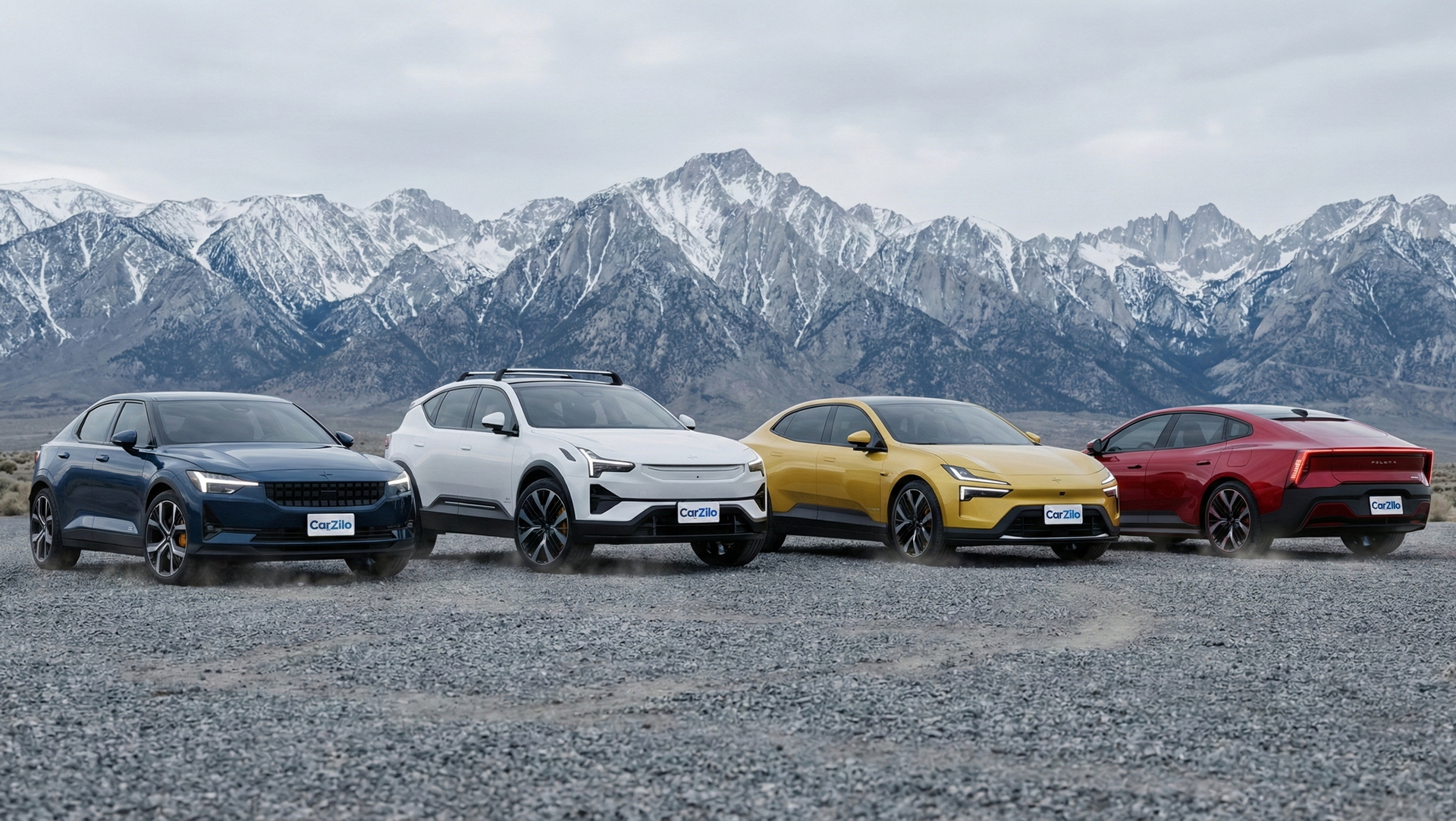
Polestar’s lineup is small, but each model targets a different buyer mood. The brand moved quickly from a niche halo story into a more complete performance-EV range, and California buyers have already sorted the winners by use case.
- Polestar 1: The rare one. A plug-in grand tourer with carbon-fiber attitude and collector energy.
You’re not selling “transportation” here. - Polestar 2: The volume anchor and the most liquid resale play in the state. It’s an EV that fits real California life-tight city parking, long commutes, high gas prices making everyone do quiet math in their head.
- Polestar 3: The luxury-leaning performance SUV for buyers who want comfort without giving up steering feel.
Less utilitarian box, more refined highway weapon. - Polestar 4: The design wildcard. The no-rear-window setup and camera-first approach are either a deal-maker or a deal-breaker, which is exactly why it draws attention in a style-obsessed market.
Differences Between New and Older Polestar Models
The Polestar 2 refresh changed the resale conversation in ways buyers notice immediately. That shift affects trade-in value vs. private party expectations because shoppers now use the newer hardware as the benchmark.
- Drivetrain Architecture: The Single Motor story evolved. Earlier cars feel more traditional in their layout, while newer versions lean into a more driver-friendly balance.
California buyers who care about feel will ask. - Battery and Range: The newer Long Range variants brought meaningful improvements in battery tech and charging behavior. You don’t need to recite specs; just explain what that means day-to-day-less anxiety on long freeway stretches, better confidence for weekend trips, fewer compromises.
- Visual Identifiers: The front-end change is the quick tell. The updated face with the cleaner sensor-first design signals the newer tech suite to anyone who’s been shopping for more than five minutes.
Translation: buyers are trained to spot the newer cars instantly. If you’ve got one of the updated versions, your listing should say so clearly. If you don’t, you need to sell the value of your specific condition and history instead of pretending the refresh never happened.
Popular Polestar Models in California
The Polestar 2 remains the easiest Polestar to sell in most California metros. Its size, price positioning, and everyday usability make it the default choice for buyers who want premium without drama. It fits the Bay Area commuter grind and the LA urban loop equally well.
- Market Value Reality: The Polestar 1 is a niche asset; the Polestar 2 and Polestar 3 are the workhorses. Your pink slip and a clear OTA update history can speed everything up because local buyers obsess over tech stability. Sometimes more than paint.
- Polestar 2 Dual Motor: This is the spec that tends to pull the most serious interest, especially in Northern California where buyers appreciate all-weather confidence and mountain-weekend capability. If yours has the Performance Pack, make that impossible to miss in your listing.
- Polestar 3: This one is gaining traction with affluent suburban buyers who want a high-end EV that doesn’t feel like a rolling software experiment. U.S. production has helped buyer confidence, and clean early examples can attract strong attention when supply feels tight.
The real California play is simple: sell the spec story and prove the ownership story. If your car has the right drivetrain, the desirable options, and a clean digital maintenance trail, you’re not begging for interest-you’re filtering for serious buyers. That’s how you keep your time and your price intact.
Brand History
The Polestar Story: From Racetrack to Electric Powerhouse
The Polestar Story: From Racetrack to Electric Powerhouse
Polestar’s backstory is one reason the brand still carries real credibility in California’s EV crowd. This isn’t a label that showed up overnight with a slick launch video and a pile of venture money. The performance roots are legit, and that history helps explain why a well-kept Polestar can still attract serious buyers when you’re trying to land the strongest fair market range outcome.
The simplest pitch is that Polestar was performance-first before it ever became EV-first. That matters in a state where buyers are split between the “I want tech” crowd and the “I still like driving” crowd. If your buyer sits in the overlap-and many do-this origin story adds weight to your listing without sounding like a sales brochure.
The Birth of Polestar
Polestar started as a racing operation, not a corporate side project. The brand traces back to Flash Engineering, founded in 1996, which built its reputation in the Swedish Touring Car Championship (STCC) with Volvo-based race cars. That early success wasn’t just about trophies; it shaped a mindset that prioritized chassis balance, power delivery, and control under pressure.
The Volvo connection didn’t come later-it was baked in early. By 2009, the team had become Volvo’s official performance partner, and the Polestar name was already tied to tuned, higher-performance Volvos sold through dealers. This is the era that built the “serious engineering” perception that still follows the badge today.
Global Expansion and Innovation
Polestar became a standalone EV brand because Volvo chose to turn a performance identity into a global strategy. After Volvo Cars acquired Polestar in 2015, the brand was repositioned in 2017 as a dedicated electric performance manufacturer. That shift took Polestar from “fast Volvo division” to a separate player with its own design language and product roadmap.
The global rollout was fast and intentional. Polestar expanded with branded retail locations-Polestar Spaces-across key markets, betting that minimalist design, clean tech, and credible performance would land with buyers who were tired of legacy luxury theater.
Entry into the U.S. and California Market
California was always going to be a priority, because the state is basically the Super Bowl of EV adoption. Polestar’s U.S. approach targeted EV-friendly regions early, and Southern California in particular fit the brand’s sweet spot: design-focused buyers, tech-forward commuters, and people who want an alternative to the obvious choices.
The retail footprint helped legitimize the brand locally. The opening of a Polestar Space in Marin County in 2021 signaled that the company was serious about the Bay Area, not just parachuting in for marketing points.
Introduction of Iconic Models
Polestar’s modern identity was built on two very different cars with one shared goal: credibility. The first established the halo. The second created real-world presence.
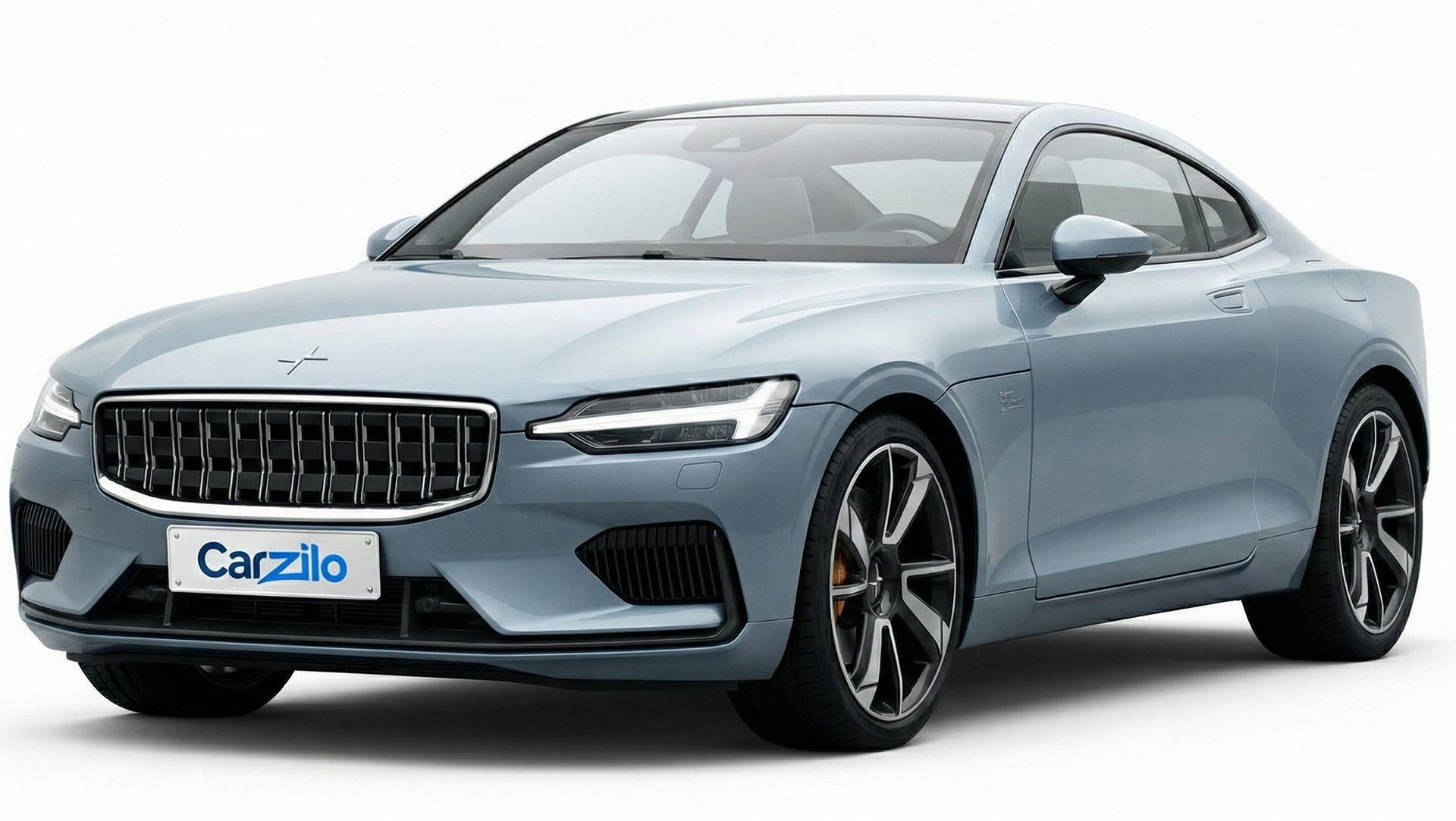
- Polestar 1 (2019-2021): Limited-production plug-in grand tourer energy. Carbon fiber focus, big performance intent, and a collector vibe that plays well with California enthusiasts who like rare hardware.
- Polestar 2 (2020-Present): The daily-driver anchor. Minimalist, quick, and practical enough for the Bay Area commute or LA sprawl (without feeling like you bought the default option).
Racing Success and Technological Advancements
The motorsport legacy shows up in how these cars drive, not just in brand mythology. The engineering lessons from years in touring car competition inform the way Polestar thinks about chassis tuning and responsiveness. That’s why the driving feel tends to be more composed and more intentional than you’d expect from a newer EV nameplate.
Buyers who care about dynamics notice this fast. It’s a quiet advantage in a market flooded with EVs that are quick in a straight line but forgettable everywhere else.
Polestar’s Impact on California’s Automotive Landscape
Polestar’s value in California isn’t only about the car-it’s about how the car fits the state’s energy reality. With grid anxiety, wildfire-related outages, and a growing interest in home energy resilience, advanced charging and power features can turn into real ownership benefits.
The Polestar 3 is part of that conversation with bidirectional capability tied to home use in California. For the right buyer, that feature isn’t a gimmick. It’s a practical bonus that can shape how they weigh trade-in value vs. private party decisions, especially if they want an EV that can do more than commute and quietly drain their utility bill.
Use this story strategically when you sell. You’re not pitching a history lesson; you’re giving buyers a reason to see your Polestar as a well-engineered, performance-rooted EV with a California-native use case. That’s how you separate your car from the anonymous listings that read like copy-paste homework.
Frequently Asked Questions
CarZilo is a new, innovative and convenient way to sell your car for more. We are a licensed and insured California dealer, with over 25 years of experience, helping sellers to receive the most value for their vehicles.
Using an auto broker is akin to having a skilled lawyer by your side in court. Just as you’d want someone knowledgeable to guide you through legal proceedings, CarZilo provides expert advice for your automotive purchases. As the second largest investment most people make, buying or leasing a car should be handled with expert care. With CarZilo, you leverage our years of experience and strong industry relationships to secure the best possible deals, thanks to our ability to obtain significant discounts due to our high sales volume.
Yes, it can be a good time to Sell my Polestar in California because used EV prices are more competitive and many buyers want late-model electric cars with solid range and warranty coverage. Even though several federal and state EV incentives and HOV perks have been scaled back recently, demand for well-maintained Polestar vehicles remains strong in major California metros where charging is widely available.
Your Polestar’s trade-in value vs private party price in California is most influenced by battery health, mileage, remaining factory warranty, and detailed service history. Private party buyers may pay closer to the Fair Market Range if you can show clean inspections and charging habits, while trade-in or Instant Offer services usually pay slightly less in exchange for a faster, more convenient sale with less risk and no need to meet strangers.
Many previous EV incentives in California, including solo HOV lane access and some major rebate programs, have ended or tightened eligibility, so buyers should not assume automatic state perks when budgeting a Polestar purchase. Some manufacturers and partners are filling the gap with their own offers, such as sizable clean vehicle incentives on specific new Polestar 3 models, so checking current dealer and manufacturer programs can still reduce your effective out-of-pocket cost.
Battery warranty and condition are critical to the offer you receive when you Sell my Polestar in California because they directly affect long-term confidence for the next owner. New Polestar vehicles typically include a limited vehicle warranty around four years or 50,000 miles and an EV battery warranty around eight years or 100,000 miles, and both are generally transferable, which helps support resale value while that coverage remains in effect.
Polestar cars are well suited to California because their all-electric powertrains handle stop-and-go traffic efficiently, and major regions like Los Angeles, Orange County, and the Bay Area have extensive public fast-charging networks to support daily commuting. For many buyers, that mix of performance, design, and lower fueling and maintenance costs compared with similar gas models makes a Polestar an appealing choice for both city and highway use.
Certain Polestar 3 setups in California now support vehicle-to-home energy functions when paired with approved bidirectional home charging equipment, allowing the SUV to power a house for extended periods during outages or peak-rate times. California programs supporting qualifying home energy hardware can offer substantial rebates, and this capability can make your Polestar 3 more attractive to energy-conscious buyers when you decide to Sell my Polestar later.